



- Game Development
- >
- Mobile Game Development
Mobile Game Development Company
Trusted By
Brands, Studios And Businesses Worldwide









What We Build
Mobile Game Development
Capabilities
Mobile games bring several technical decisions together early. Device coverage affects performance and QA. Platform choice affects billing, SDKs, permissions, and release. Multiplayer, monetization, analytics, and LiveOps introduce their own dependencies.
Our mobile game development services cover these areas according to what the game, audience, and release plan require.
Platforms
- Android
- iOS
- Web
- Cross-Platform
Mobile Systems
- Multiplayer
- In-App Purchases
- Ads
- Analytics
- Notifications
- LiveOps
Engine
- Unity
- Unreal Engine


Performance Focus
- Frame Rate
- Memory
- Loading
- Thermals
- Device
- Compatibility
- Network Behaviour
Game Types
- Hybrid-Casual
- Casual
- Puzzle
- Multiplayer
- Strategy
- Educational

Release Support
- Device Testing
- SDK Validation
- Google Play
- App Store
- Platform Updates
- Build Validation

MOBILE PRODUCTION
Experience Across Mobile Production
The difficult parts of a mobile build often sit between disciplines. A purchase flow touches platform engineering and QA. A frame-rate issue may come from rendering, assets, memory, or device limits. An SDK update can affect a build that was stable a week earlier.
Our mobile game development company keeps those connections visible and helps teams deal with mobile-specific issues while there is still room to act on them.
Established
in 2011
Our game production experience spans changing devices, engines, release needs, and content pipelines, supporting both new builds and existing mobile titles.
Android
& iOS Delivery
Platform work accounts for billing, permissions, SDKs, device coverage, testing, and store requirements to ensure reliable delivery across every ecosystem.
CONNECTED
TEAMS
Gameplay, backend, art, animation, integrations, and QA work together around shared priorities, keeping technical and creative decisions aligned across production teams.
After-Launch
Continuity
Post-launch knowledge supports compatibility updates, SDK changes, performance improvements, new content, and the ongoing demands of live mobile games.
Mobile Game Development Services
A project may reach us as a rough concept, a working prototype, an active production, or a released title with a specific problem to solve.
Our mobile game development company first looks at what is already usable: the codebase, assets, integrations, target platforms, and current build. That makes it easier to separate what needs to be built from what needs to be fixed, replaced, optimized, or prepared for release.

Custom Mobile Game Development
Develop Android, iOS, and cross-platform games with gameplay, interfaces, backend systems, platform integrations, device testing, and release requirements planned around the product from the start.
Multiplayer & Backend Development
Build accounts, cloud saves, matchmaking, leaderboards, progression, synchronization, live data, and administrative systems around the needs of connected mobile game experiences.
Mobile Game Porting
Move an existing game to Android or iOS while adapting controls, interfaces, SDKs, purchases, platform services, performance, compatibility, and release requirements.
Mobile Game Optimization
Improve frame rate, rendering, memory use, loading, asset handling, thermal behaviour, stability, and responsiveness across the agreed range of target mobile devices.
Monetization & SDK Integration
Integrate purchases, advertising, analytics, attribution, notifications, platform services, and third-party SDKs around the game’s monetization, player experience, and operating requirements.
Mobile LiveOps & Updates
Support released games with new content, events, compatibility updates, performance work, analytics, release management, SDK changes, and continued mobile feature development.
Need Broader Game Development Support?
If you need more than mobile game development services and your project involves PC or console development, engine-specific engineering, game art, QA, porting, or a wider production setup, check our Game Development services.
Explore Game Development ServicesSelected Game Projects
Mobile Games Built for Real Players
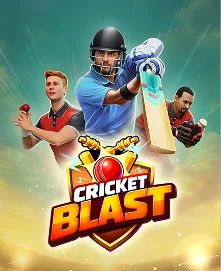
The finished screen tells only part of the story. A useful project example should also show what had to be built, integrated, tested, optimized, or adapted for release.
Explore approved mobile projects with details on the platform, genre, technology, production requirements, our role as the mobile game development company, and verified outcomes where available.




BEFORE RELEASE
Four Mobile Questions
Worth Settling Early
Some mobile issues are straightforward to address while the device plan, integrations, and release scope are still flexible. The same issues become much more disruptive when they first appear during final testing, and a mobile game development company must make sure it has all the answers.
Which Devices Does the Game Need to Support?
We agree on the device range that matters to the release, then use representative hardware to check frame rate, memory, loading, thermals, stability, and network behaviour.
How Will Android and iOS Differences Be Handled?
Shared gameplay can stay aligned while purchases, permissions, SDKs, interfaces, device behaviour, testing, and store requirements are handled separately where the platforms differ.
What Has to Be Ready Before Store Submission?
The release build needs its device coverage, purchases, permissions, platform integrations, SDKs, performance targets, and relevant Google Play or App Store requirements checked before submission.
What Changes Once the Game Is Live?
Operating-system updates, SDK revisions, device changes, store policies, content releases, and performance issues can create new work after launch, so post-release needs should be considered early.
WHERE WE START
Three Ways a Mobile Project
Usually Reaches Us
Not every team needs the same starting point. What matters is understanding what already exists and what the next useful piece of work should be.
01
You already have a team
You Have a
Concept or Prototype
We review the game loop, target platforms, visual direction, backend needs, monetization, and device expectations, then identify what needs to be proven before the build expands.
Discuss an Early-Stage Game02
You Have A Title To Ship
You Have
an Active Build
We start with the codebase, engine version, existing features, integrations, known issues, and current platform support, then scope the work around the gaps that are actually there.
Discuss Your Existing Build03
You Have An Idea And Funding
You Have
a Live Mobile Game
We look at the release build, device performance, SDKs, store requirements, analytics, content cadence, and current pain points before planning updates, optimization, porting, or LiveOps work.
Discuss Your Live GamePROJECT SCOPING
How Much Does Mobile Game
Development Cost?
Mobile game development cost depends on the game type, art requirements, platform scope, backend complexity, integrations, device coverage, and testing needed before release.
The ranges below provide a practical starting point for common mobile game scopes. Final estimates are prepared after reviewing the gameplay, content, technology, target platforms, and any existing assets or code.
Hyper-Casual
$10K-20K
Estimated Cost Starts
2 to 3 months
Typical Timeline
Casual
2D
$15K-35K
Estimated Cost Starts
3 to 5 months
Typical Timeline
3D
Casual
$25K-50K
Estimated Cost Starts
4 to 7 months
Typical Timeline
Multiplayer Games
$40K-100K+
Estimated Cost Starts
6 to 12+ months
Typical Timeline
Complex
3D
$75K-200K+
Estimated Cost Starts
9 to 18+ months
Typical Timeline
FROM THE BLOG
Mobile Game Development Insights
Explore practical guidance on mobile production, Android and iOS delivery, performance, monetization, LiveOps, and the decisions that affect development cost and release planning.
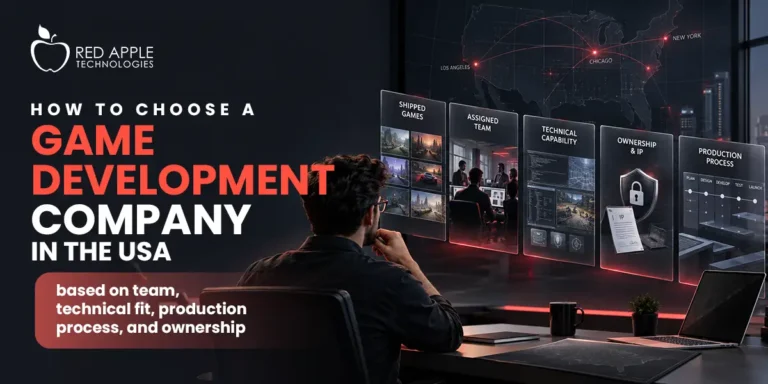
How to Choose the Right Game Development Company in the USA
Two game studios can show equally polished portfolios and still create very different production risk. The difference often becomes visible only after you look beyond the showreel: who will actually…

Best Mobile Game Developers in Spain (2026)
Spain has established itself as one of Europe’s most active mobile game development markets. With internationally successful studios, experienced live-operations teams, and competitive production structures, the country continues to attract…
Top Mobile Game Development Companies in the UK (2026 Edition)
The UK has long been one of Europe’s strongest gaming ecosystems, producing globally successful studios across console, PC, and mobile. Today, mobile game development companies in the UK combine technical…
Frequently Asked Questions
A useful estimate starts with the game type, target platforms, core features, art direction, multiplayer or backend requirements, monetization plans, and intended device range.
If you already have a prototype, design document, source code, art assets, or a live build, sharing those materials helps us understand what can be reused and what still needs to be developed. A complete specification is not required before the first discussion.
The schedule can change when the feature set expands, art or content volume increases, backend requirements become more complex, additional devices or platforms are added, or third-party integrations require extra implementation and testing.
Existing projects can also uncover dependencies in the codebase, engine version, SDKs, or platform setup during technical review. These are identified as early as possible so they can be reflected in the working scope and release plan.
Yes. Gameplay, content, and many core systems can often be shared between Android and iOS, especially when the project uses a cross-platform engine.
The two versions still need separate attention for billing, SDKs, permissions, interface behaviour, device testing, build settings, and store requirements. Planning those differences early generally makes the shared parts of the project easier to manage.
Yes. We can begin by reviewing the codebase, engine version, assets, dependencies, integrations, current platform support, and known issues.
From there, the work might involve finishing features, replacing outdated SDKs, improving performance, fixing compatibility problems, adding backend systems, preparing another platform, or getting the title ready for its next release.
We start by defining which devices matter to the intended release instead of treating every phone as equally relevant.
The device matrix may account for OS versions, chipset and GPU range, RAM, screen characteristics, and the audience the game is targeting. Testing then focuses on the areas relevant to the build, such as gameplay, frame rate, memory, thermals, purchases, SDKs, loading, crashes, and network behaviour.
Yes. A mobile port usually involves more than producing another platform build.
We review the current engine version, source code, assets, dependencies, controls, UI, SDKs, purchases, platform services, and performance requirements first. That helps distinguish straightforward platform work from areas that need deeper changes before the target release is ready.
Yes. The first step is identifying where the current build is missing its targets
The issue may sit in rendering, assets, memory use, loading, thermals, code, SDK behaviour, network activity, or device compatibility. Optimization is then scoped around the actual bottlenecks instead of applying the same checklist to every title.
Yes. Depending on the game, this may include platform billing, rewarded advertising, analytics, attribution, push notifications, authentication, cloud services, remote configuration, and other third-party SDKs.
We also look at how those integrations affect player flow, data, build stability, platform requirements, and the work needed to maintain them after release.
Yes. Mobile backend work can include player accounts, authentication, cloud saves, matchmaking, rooms, leaderboards, progression, live data, synchronization, and administrative systems.
The right architecture depends on the gameplay model, expected concurrency, latency sensitivity, data requirements, and how the game will be operated once players are using it.
Yes. Release support can cover platform integrations, build preparation, billing checks, SDK validation, device testing, performance review, and technical requirements related to submission.
Store accounts, publishing responsibilities, signing access, and other release dependencies should be clear before the final build reaches submission so they do not become last-minute blockers.
Look beyond the engine list and portfolio screenshots.
A prospective partner should be able to explain how it approaches target devices, Android and iOS differences, backend requirements, third-party SDKs, performance testing, store releases, and work after launch. It should also be clear which parts of your project the team will own and how those responsibilities fit with your existing production.
Yes, when post-launch work is part of the agreed scope.
That may include OS and SDK compatibility updates, bug fixes, performance improvements, new features, content releases, analytics, maintenance, release management, and LiveOps. The support scope can be shaped around how frequently the game changes and what your internal team already handles.
Tell Us Where Your
Mobile Game Stands
Get a reply within 24 hours
Tell us where the project stands today. We'll start there.


 Book An Appointment
 WhatsApp