

Art & Design Services For Games & Media

Clutch Rating

Certified
Years Experience
Countries Served










Design Services
Art & Design Across Every
Production Stage
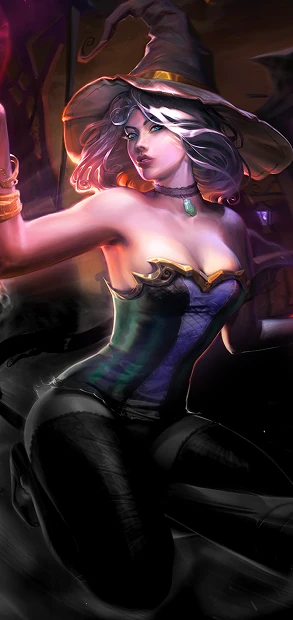
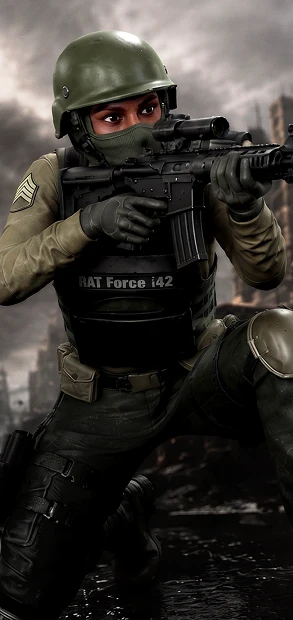
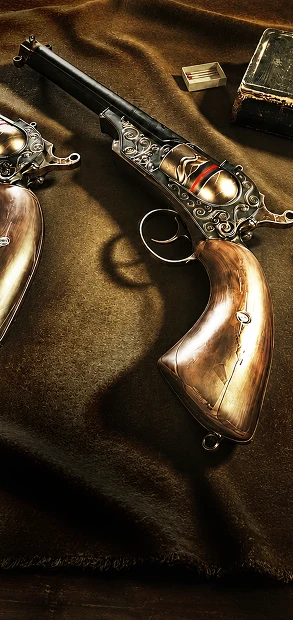
Our art and design services include game art solutions that can stand alone or support wider iGaming and software projects. Every output follows the approved direction, platform, and delivery plan.

2D & 3D
Custom Animation Services
Character, interface, and scene animations bring timing, weight, and feedback to games and digital products.
We craft 2D gameplay motion, cinematics, UI feedback, effects, explainers, and trailers.
Production Tools:
Maya · Blender · Spine 2D · After Effects · Unreal Engine
Visual Roadmap
Designs Built to Capture Attention & Convert
Every asset is built around gameplay readability, engine constraints, and platform budgets - not just pretty renders. One pipeline, one point of accountability.
UI/UX Services
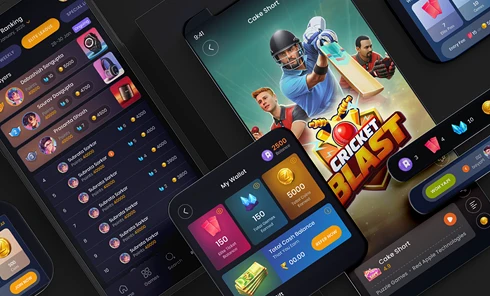
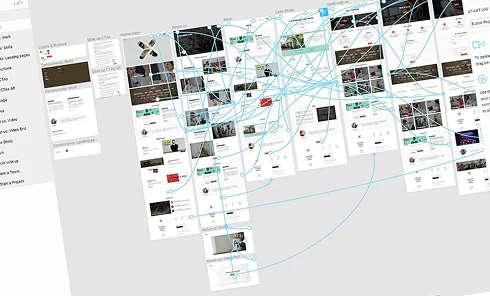
Our UI/UX design services plan flows, screens, states, and components around real tasks, user needs, platform rules, and build needs for clear, usable journeys.
Clear hierarchies, feedback, and reusable components keep user journeys consistent from concept to handoff.
Game Design Services
Our game design services define mechanics, systems, progression, and level flows around player goals, platform needs, and a clear path from concept to playtest.
Prototypes, balancing, and playtests turn early ideas into systems players can understand, learn, and enjoy.
Design Pipeline
Our Art Development Process
Creative work needs room to develop, but production needs clear stages. Defined outputs and approvals keep a visual direction aligned as assets move between artists, designers, developers, and client teams.
Discovery &
Scope
We clarify the product, audience, deliverables, references, platform needs, timeline, responsibilities, and approval routes before the creative work begins.
Visual
Direction
Moodboards, style frames, references, and quality benchmarks turn broad preferences into one direction that artists, designers, and stakeholders can follow.
Concept & Prototype
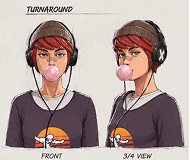
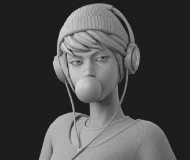
Sketches, turnarounds, blockouts, wireframes, and motion tests make all early ideas visible before detailed asset, interface, or animation production begins.
Production &
Review
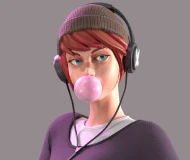
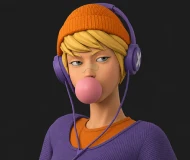
Approved concepts move into scheduled production with named owners, key milestones, and review points for quality, consistency, usability, and technical fit.
Optimization & Delivery
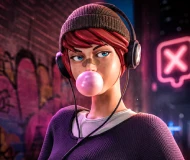
Final files are checked, organized, and prepared for live engine integration, developer handoff, publishing, or the next stage of ongoing content production.
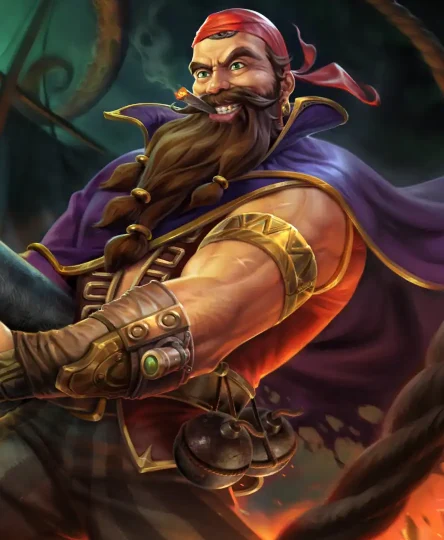
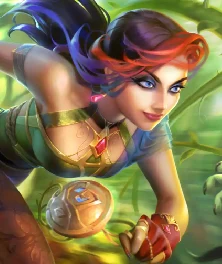
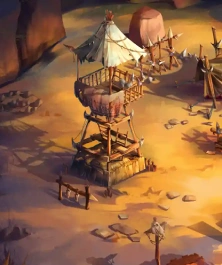
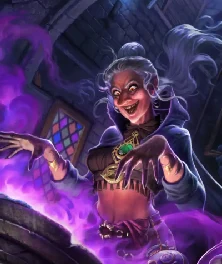
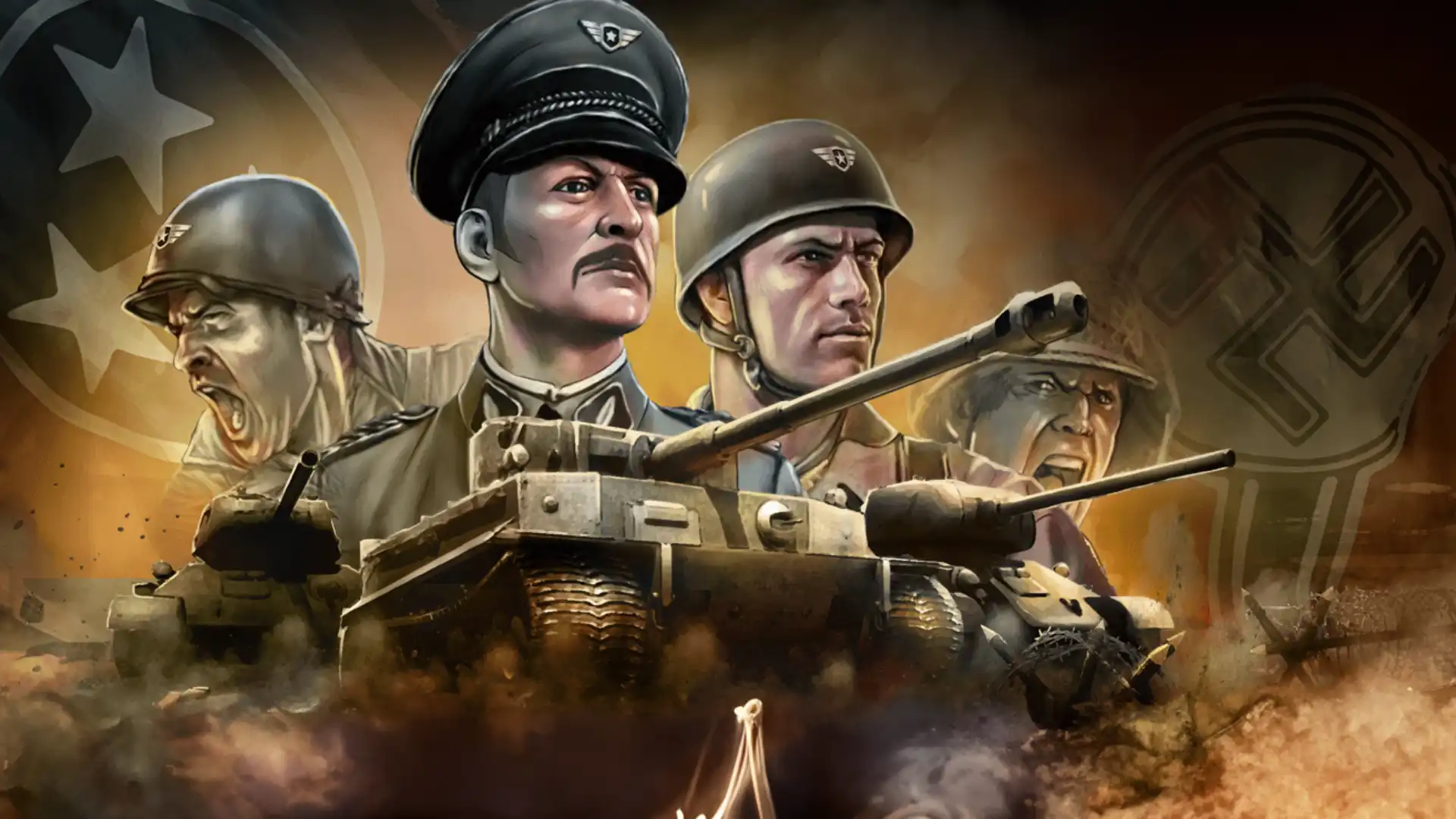
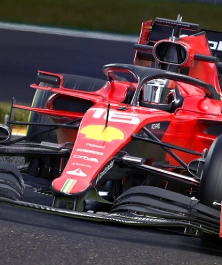
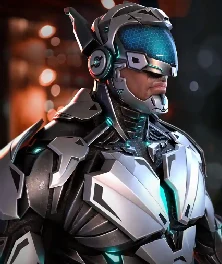
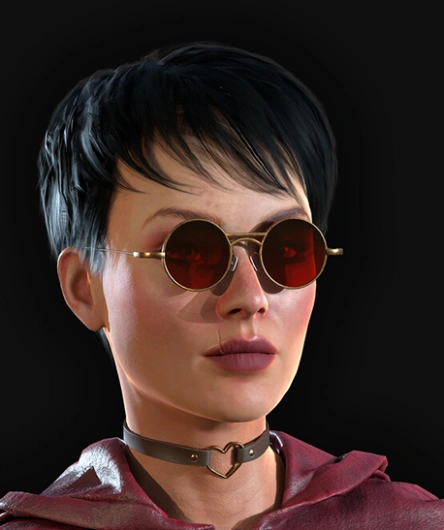
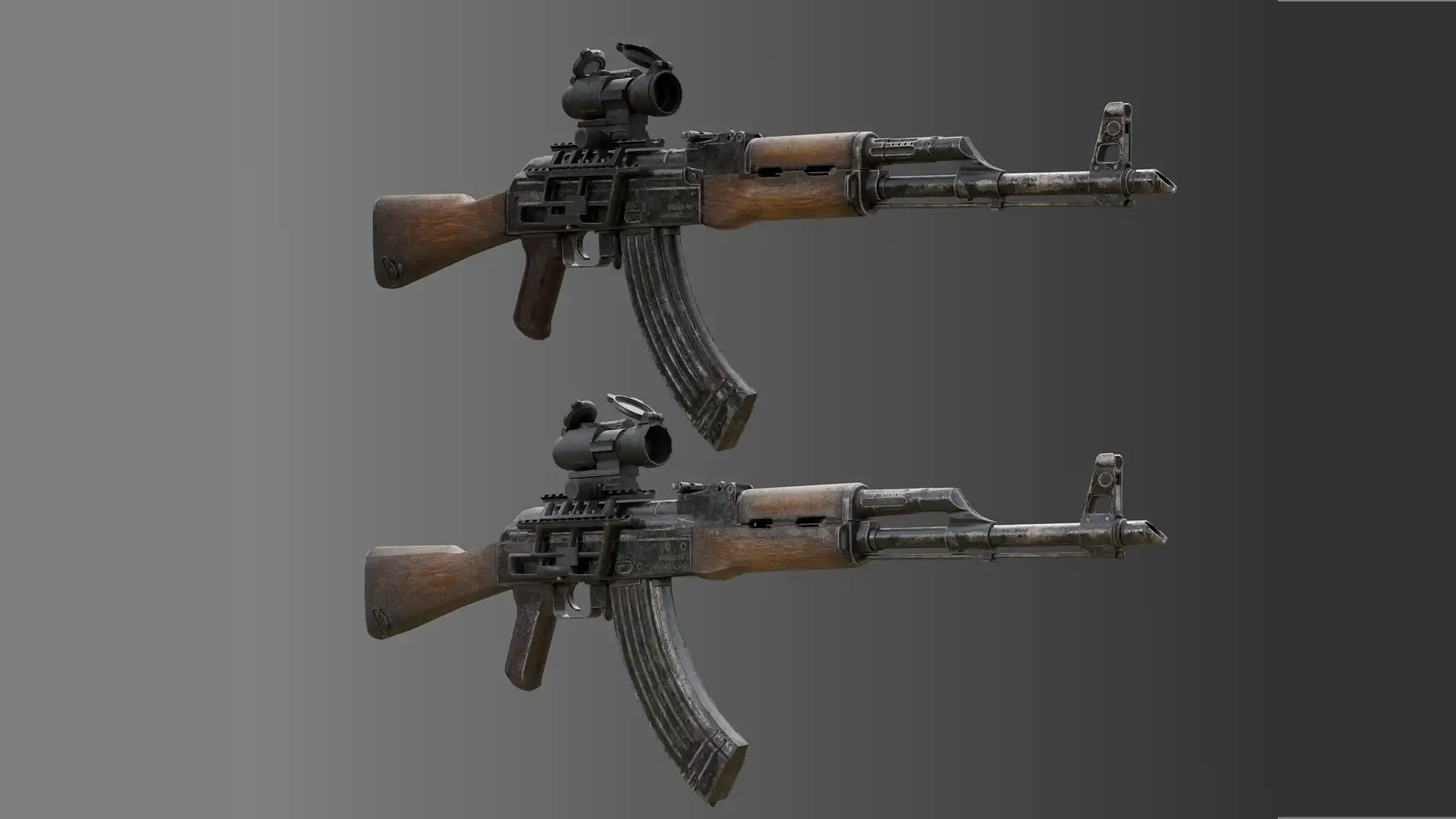
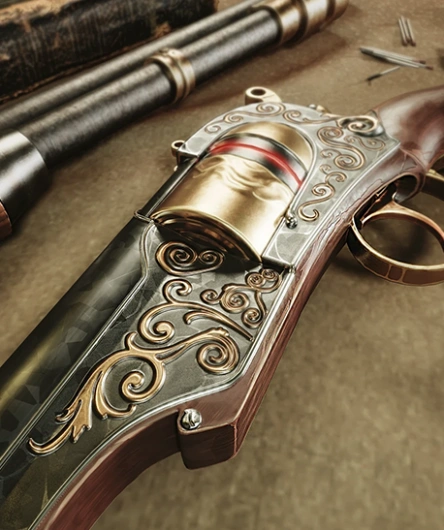
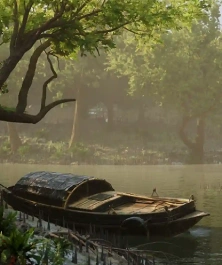
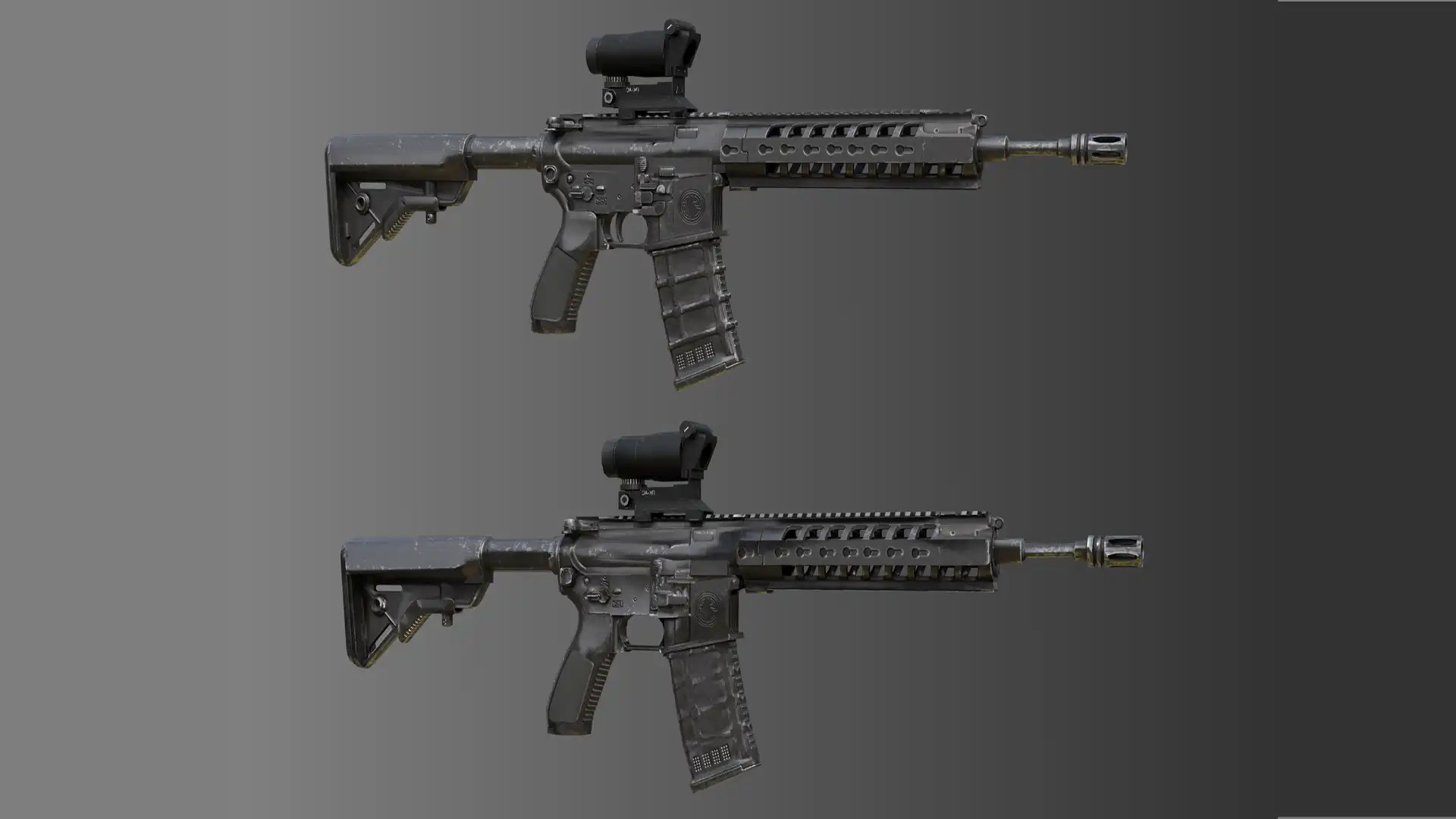
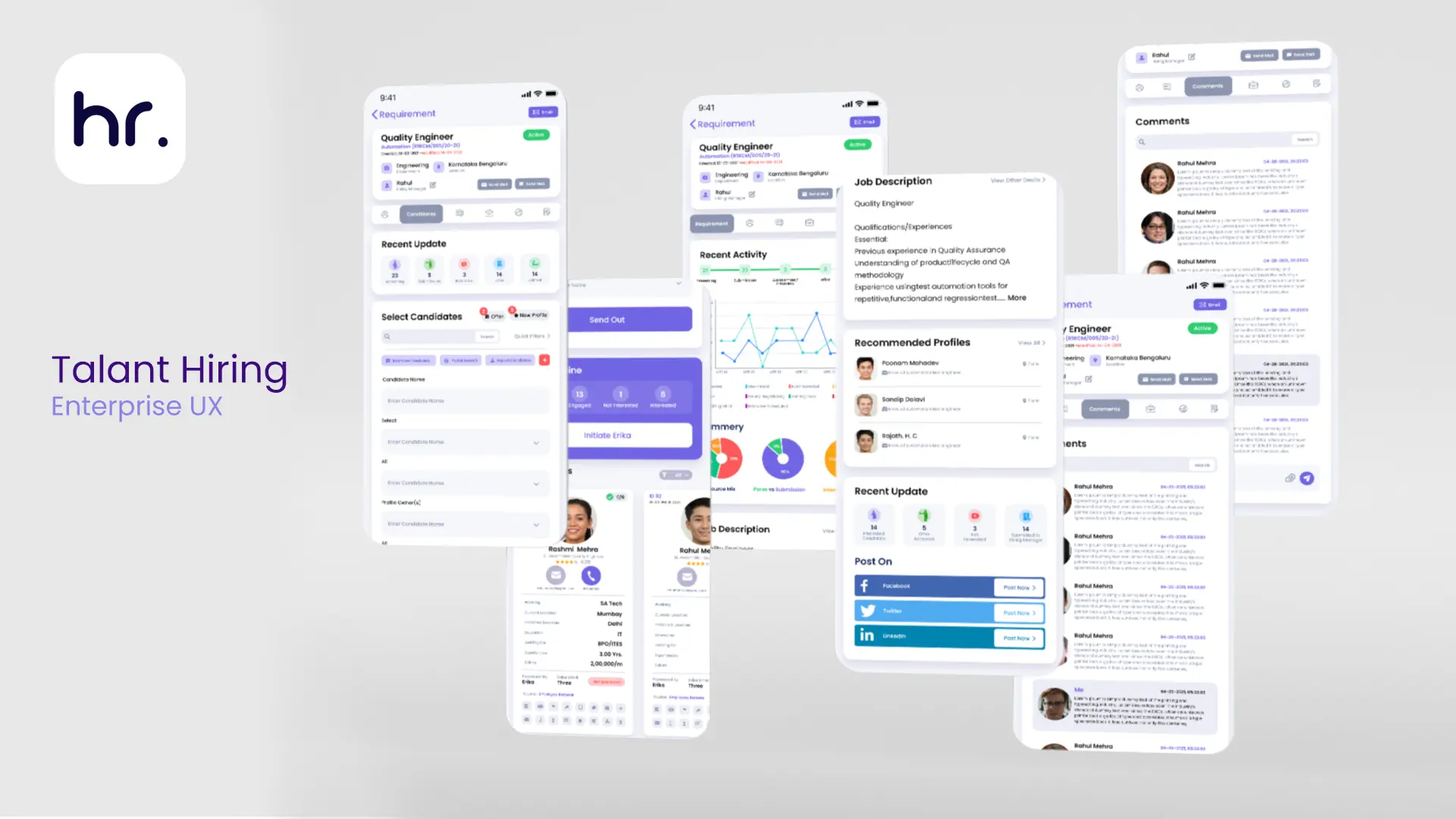
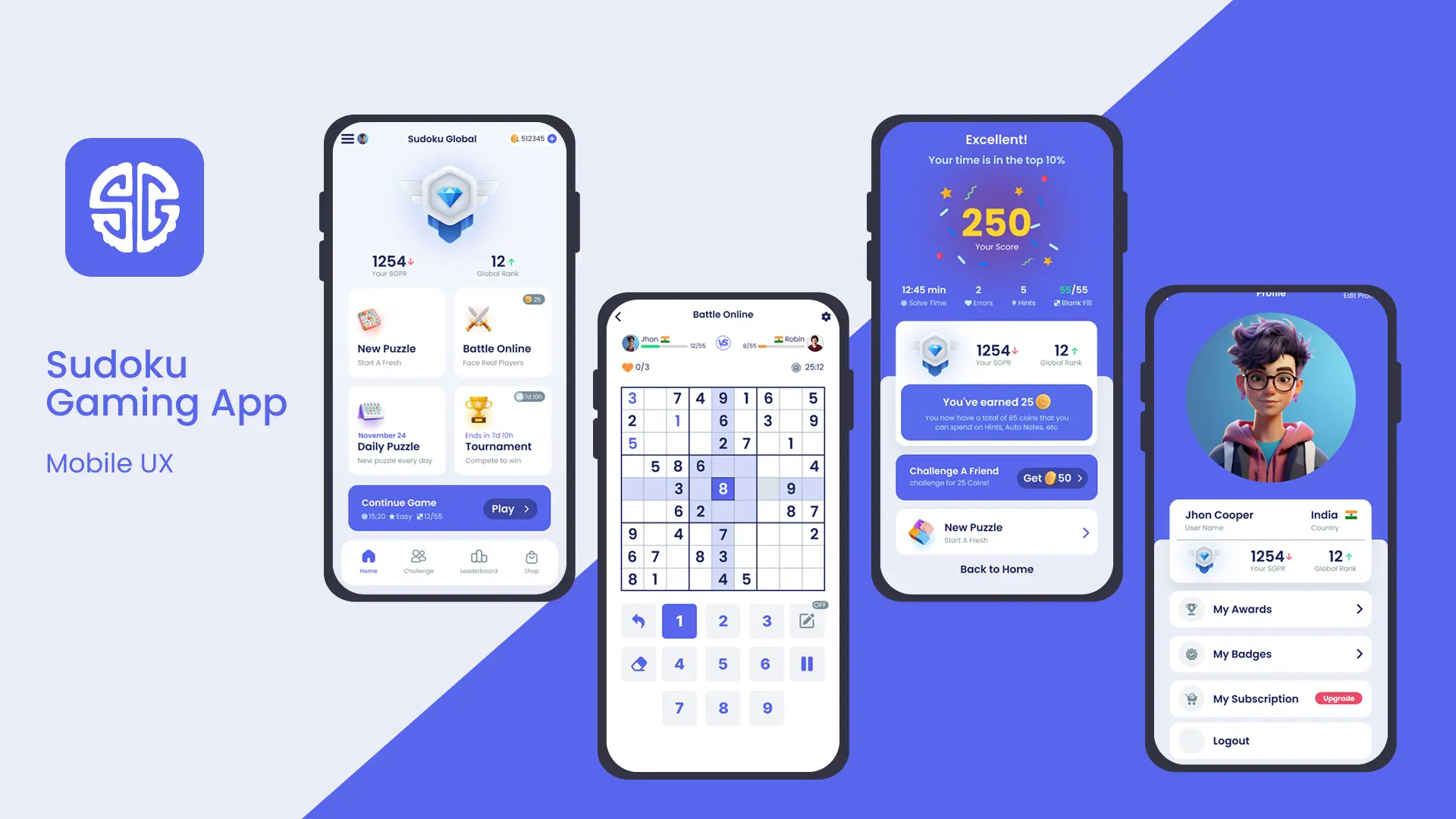
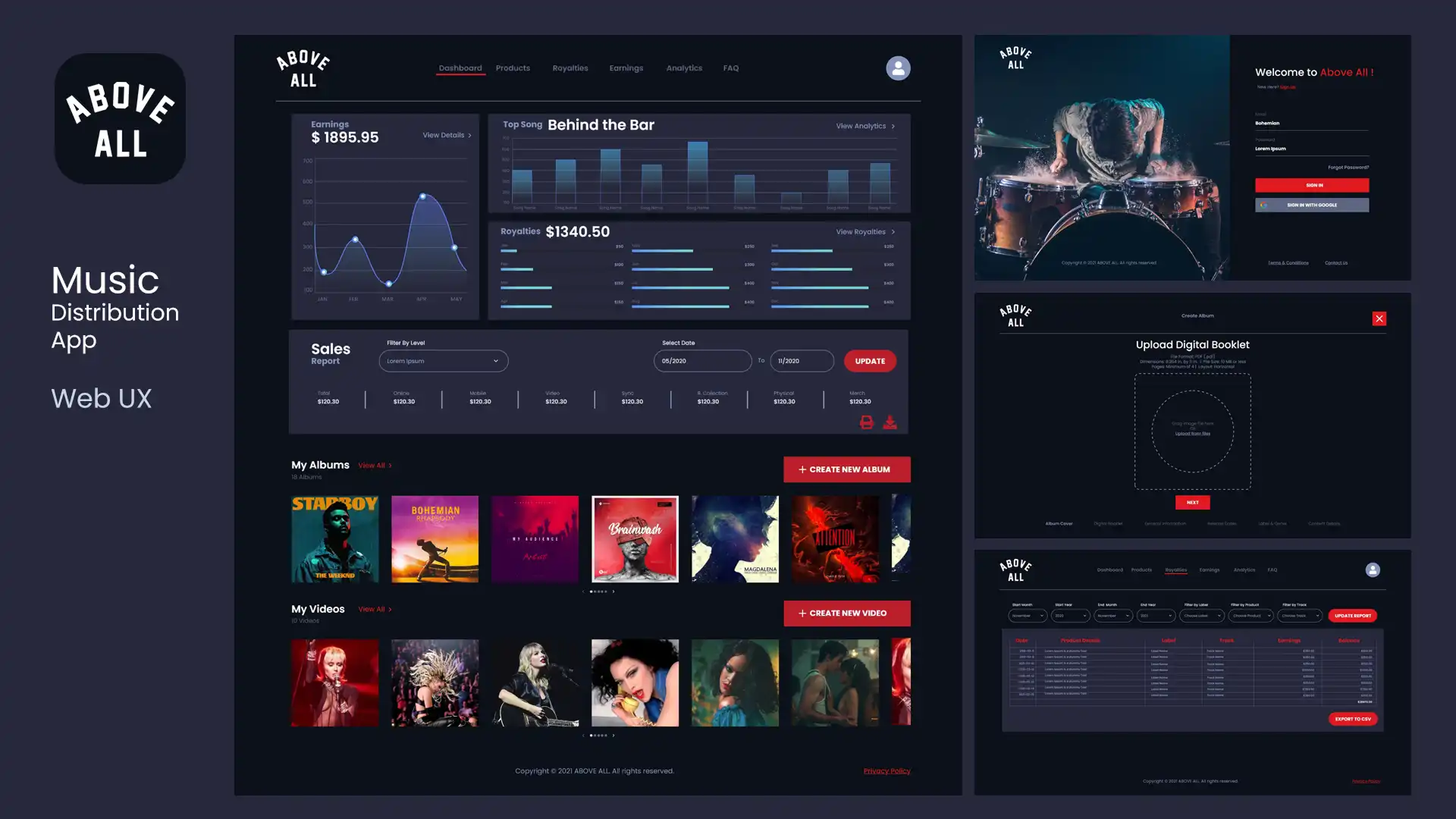
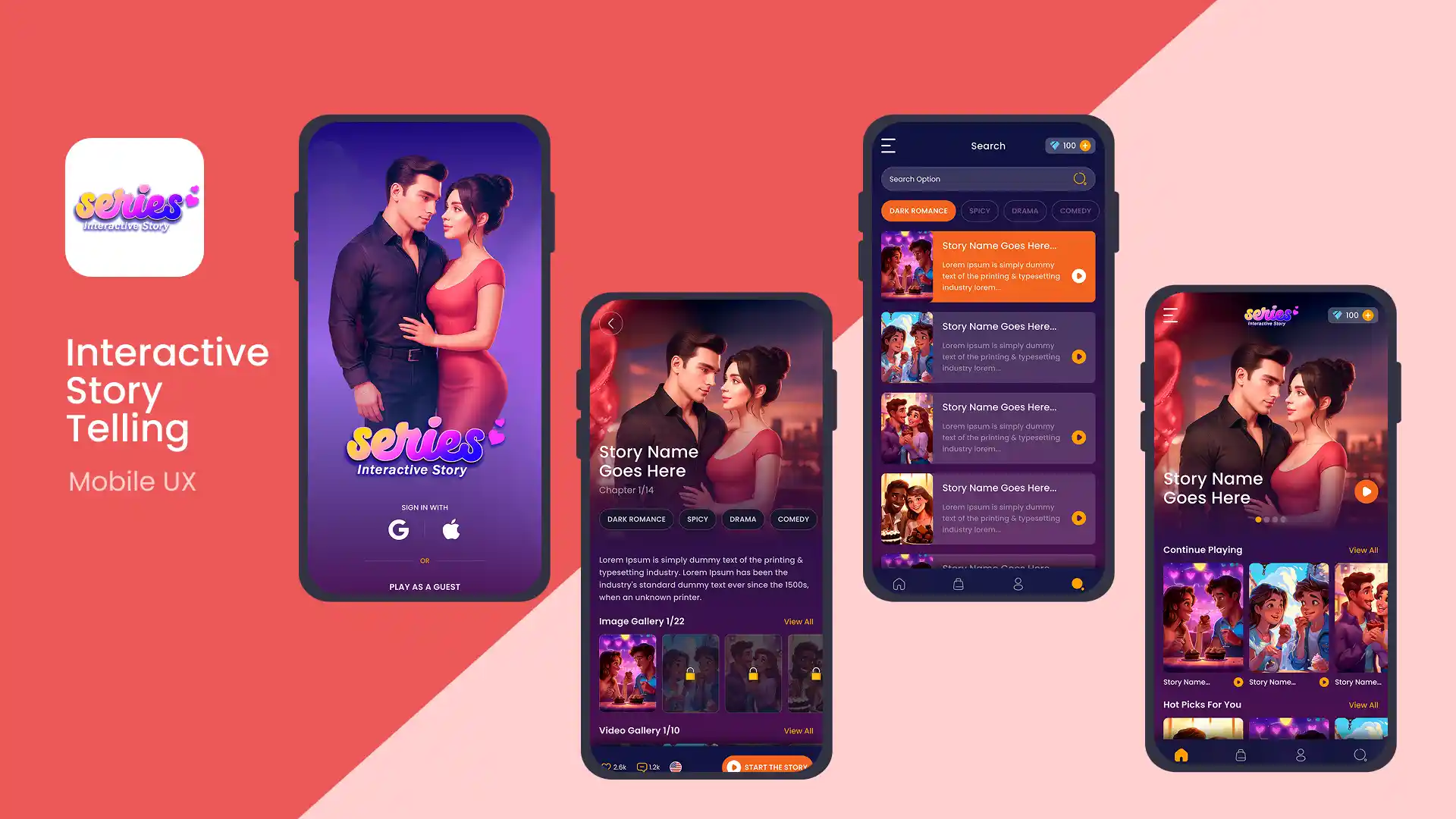
Art & Design Portfolio for Games, iGaming, Software and Digital Products
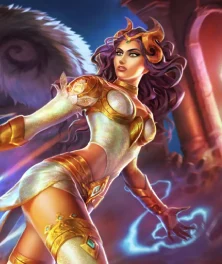
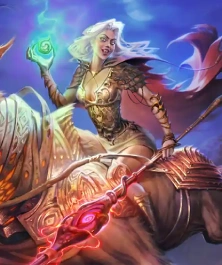
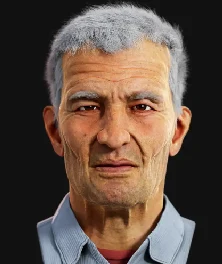
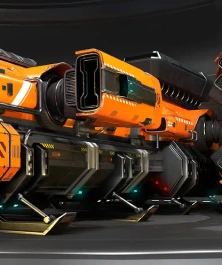
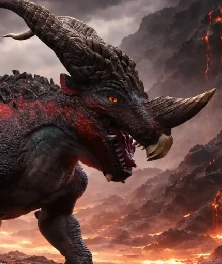
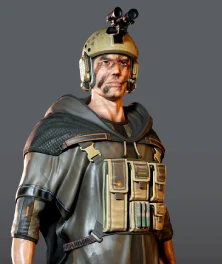
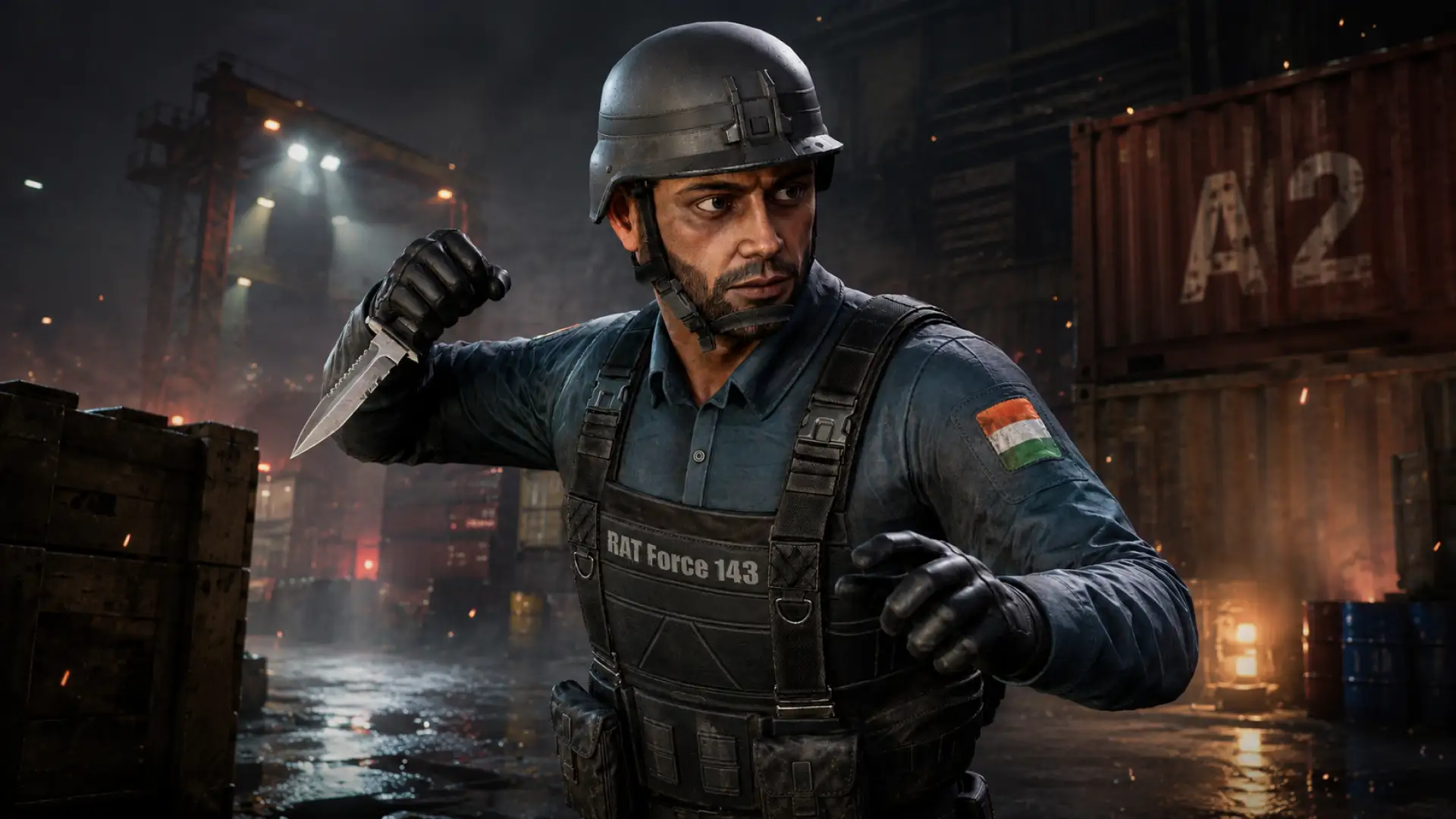
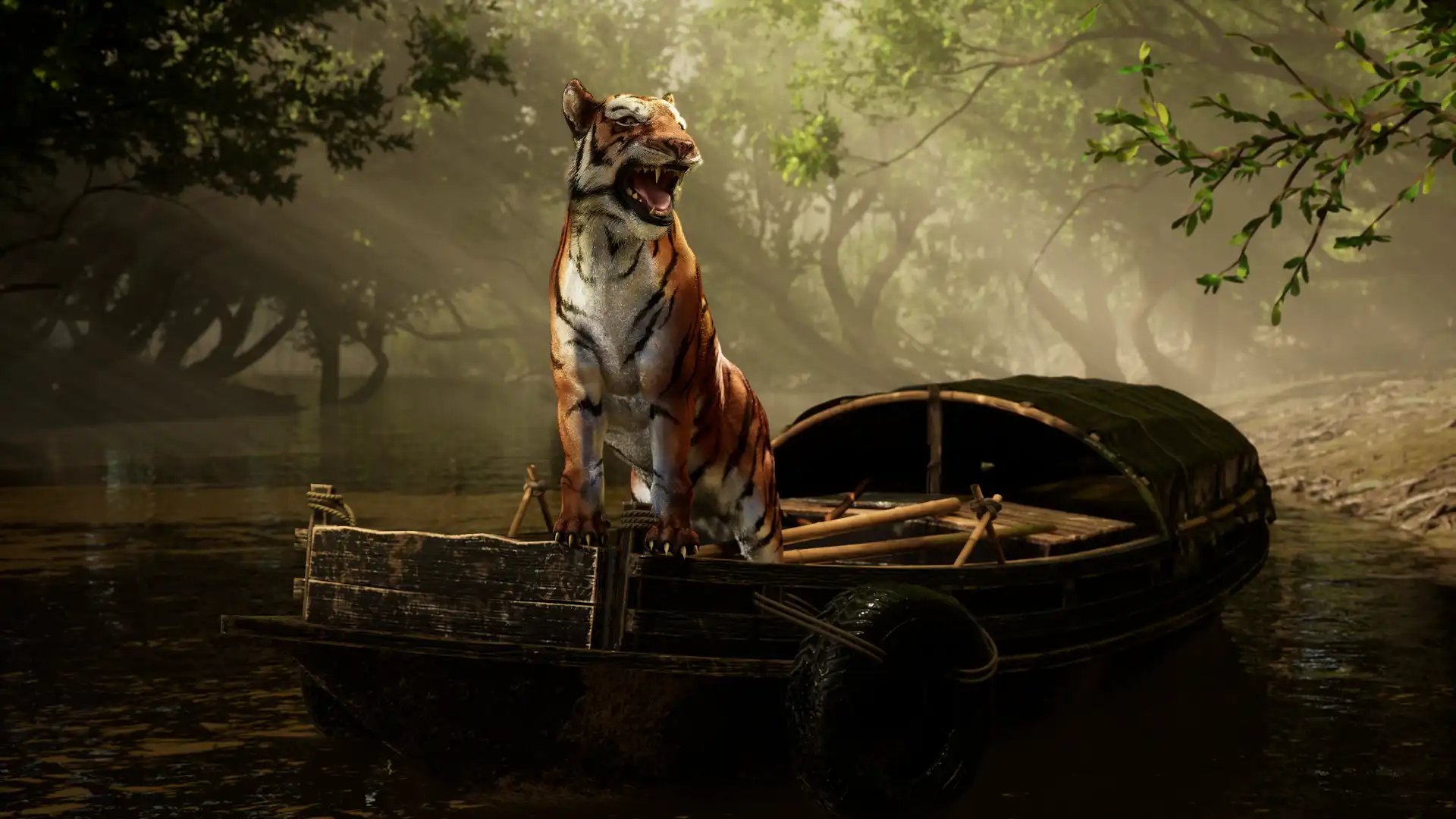
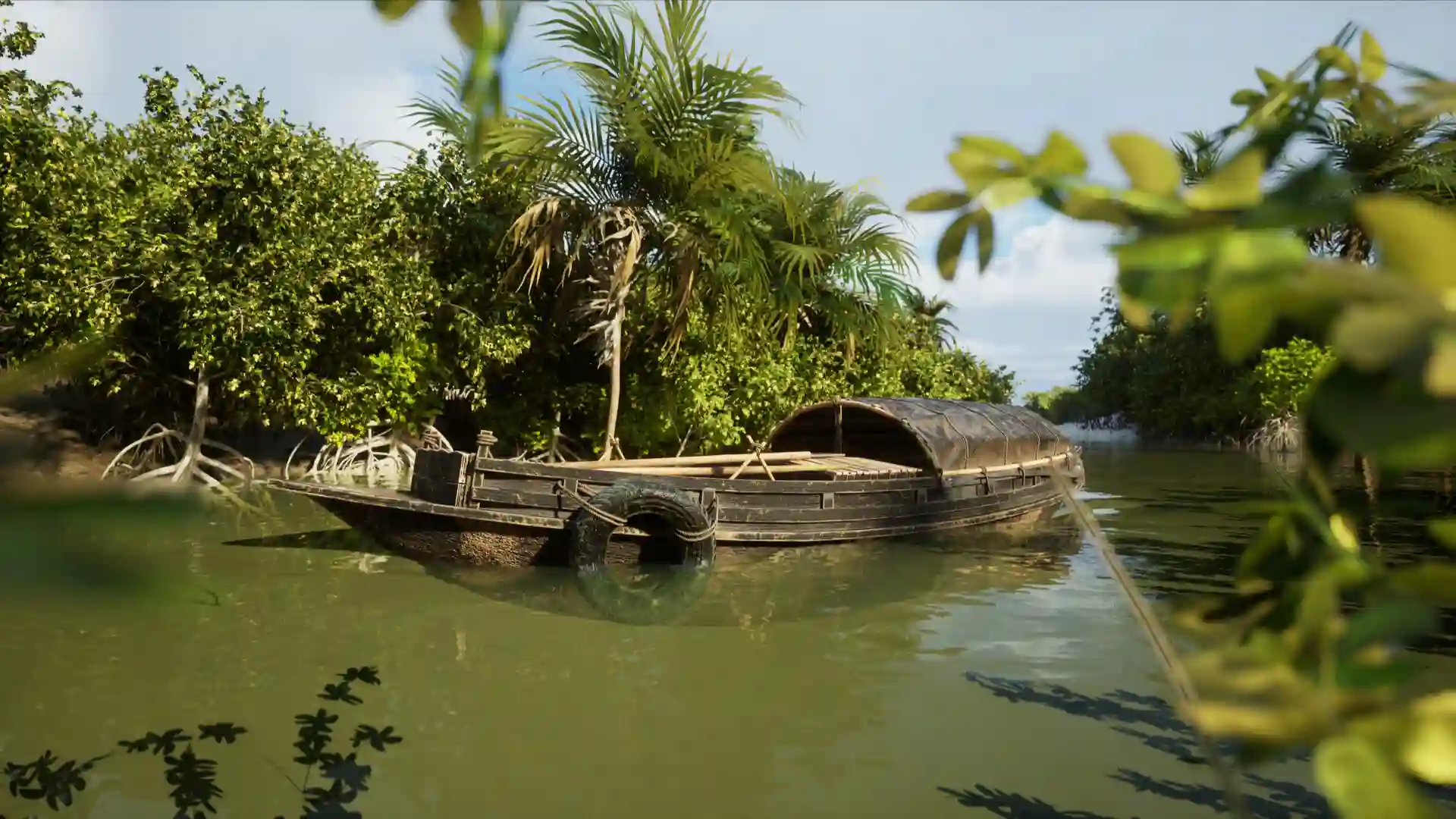
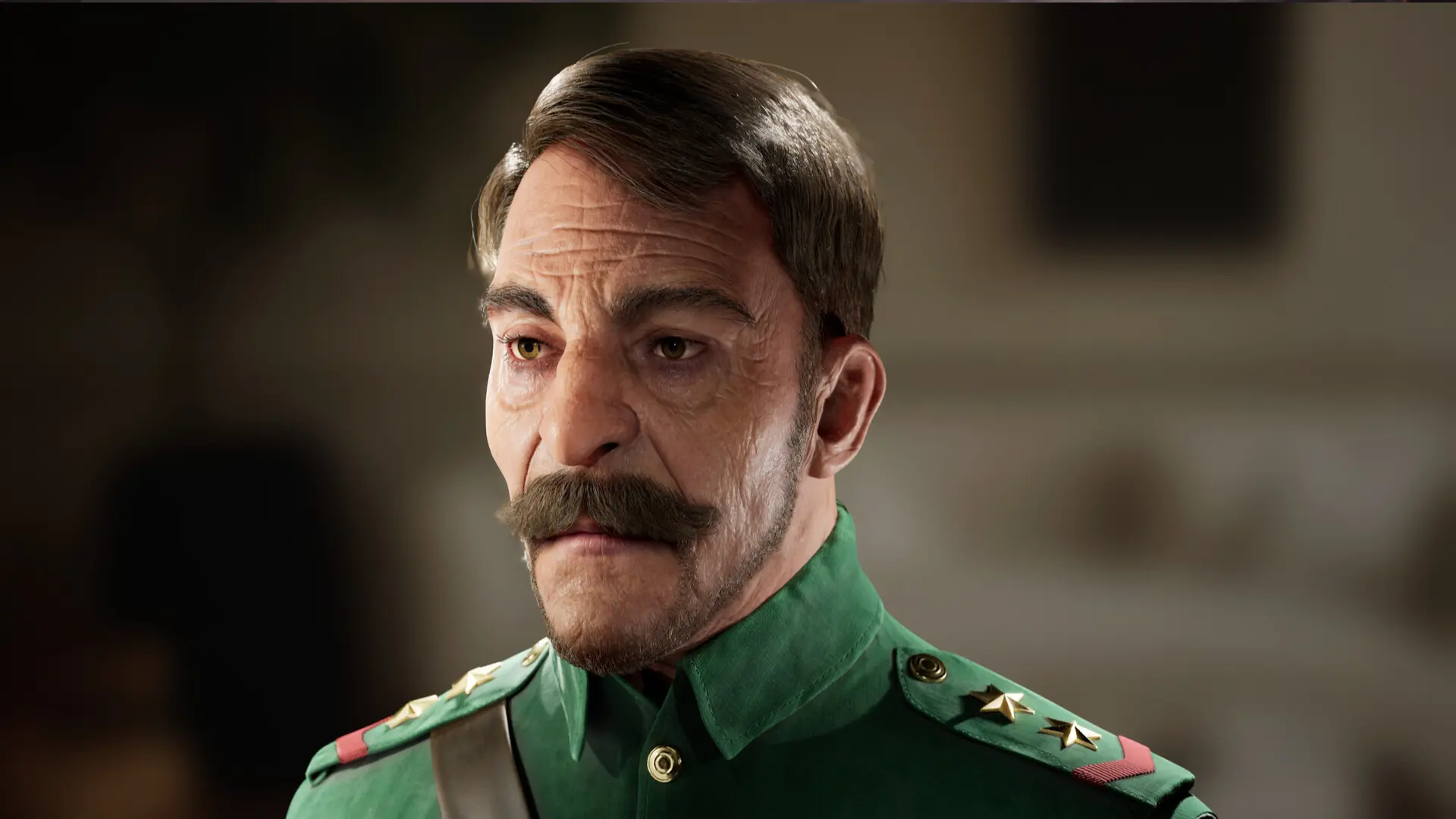
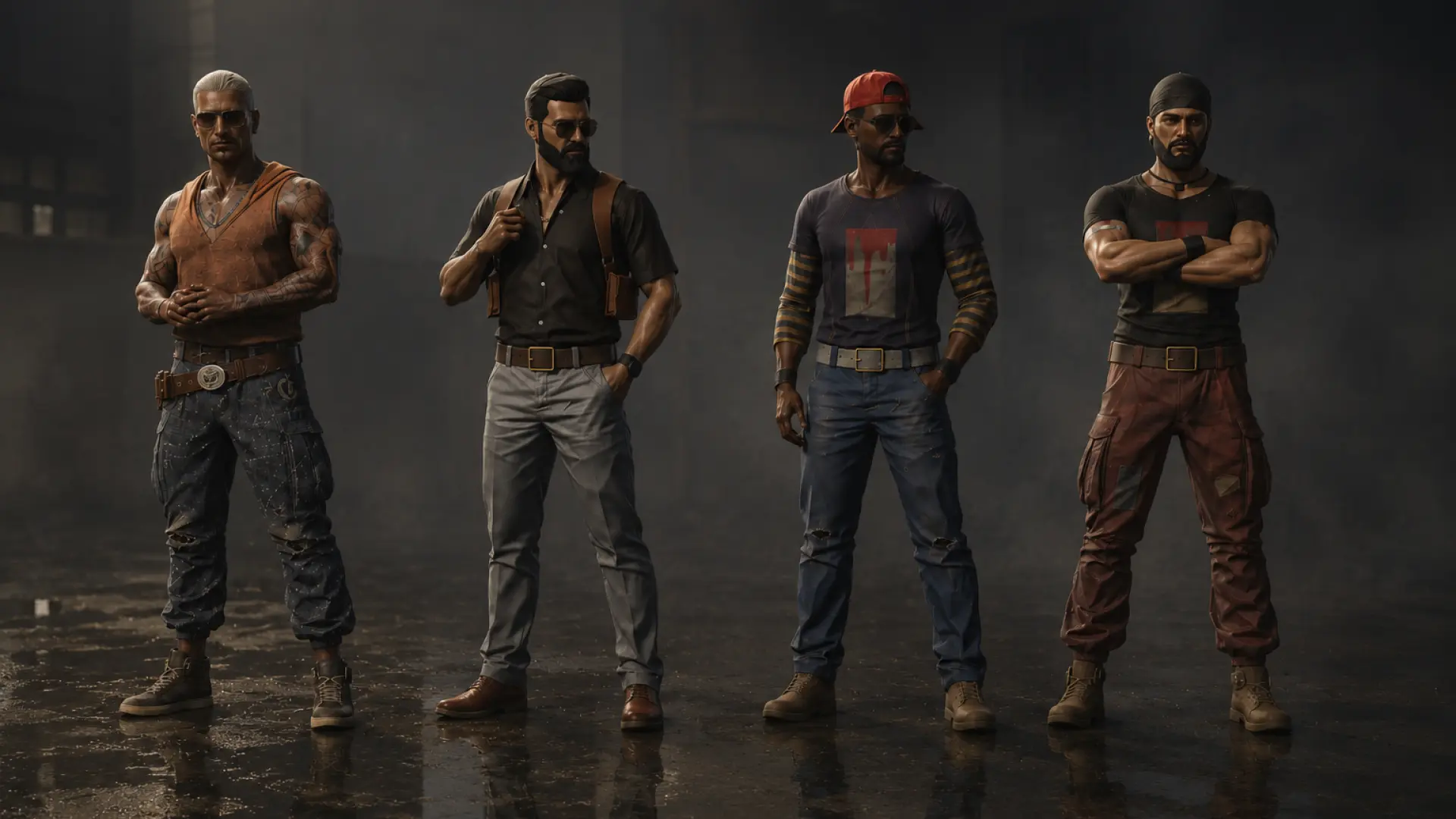
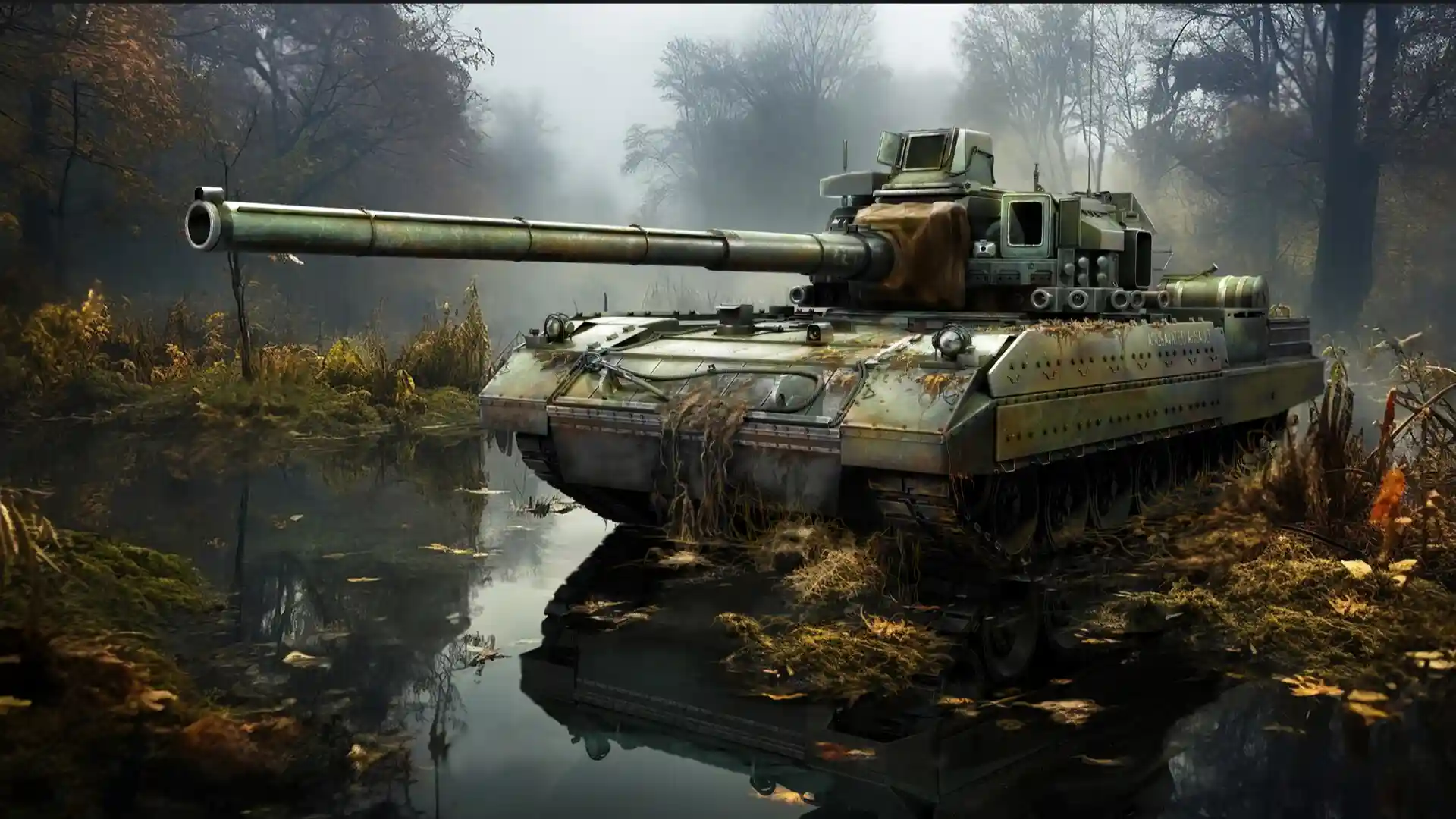
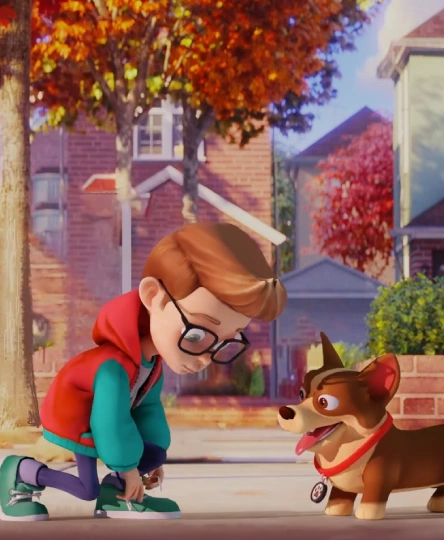
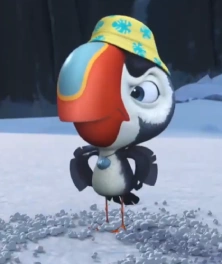
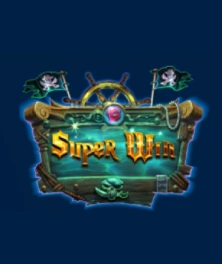
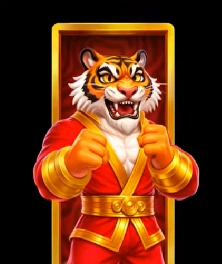
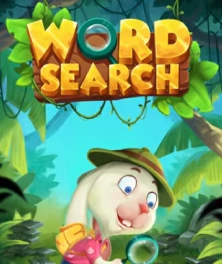
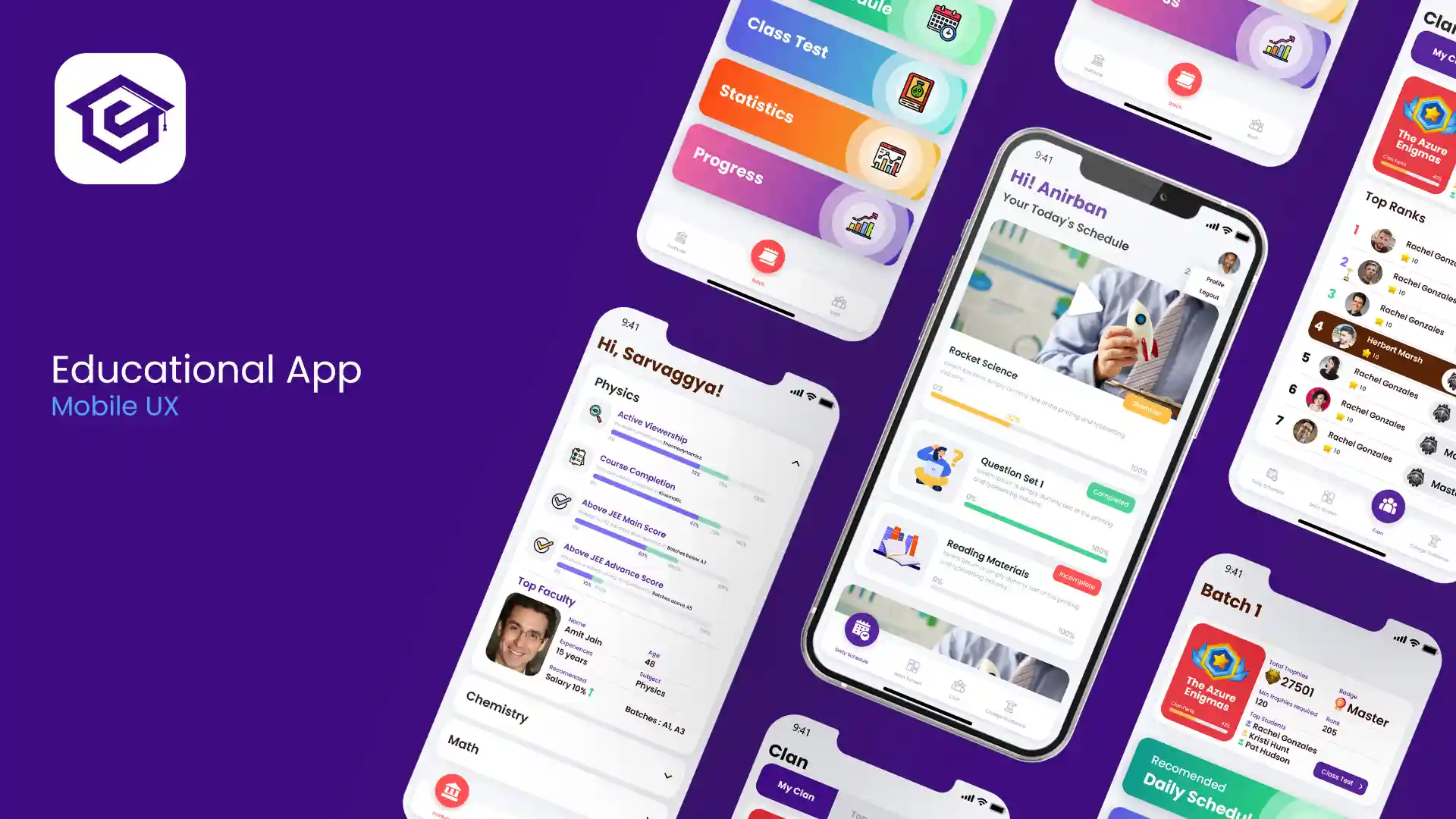
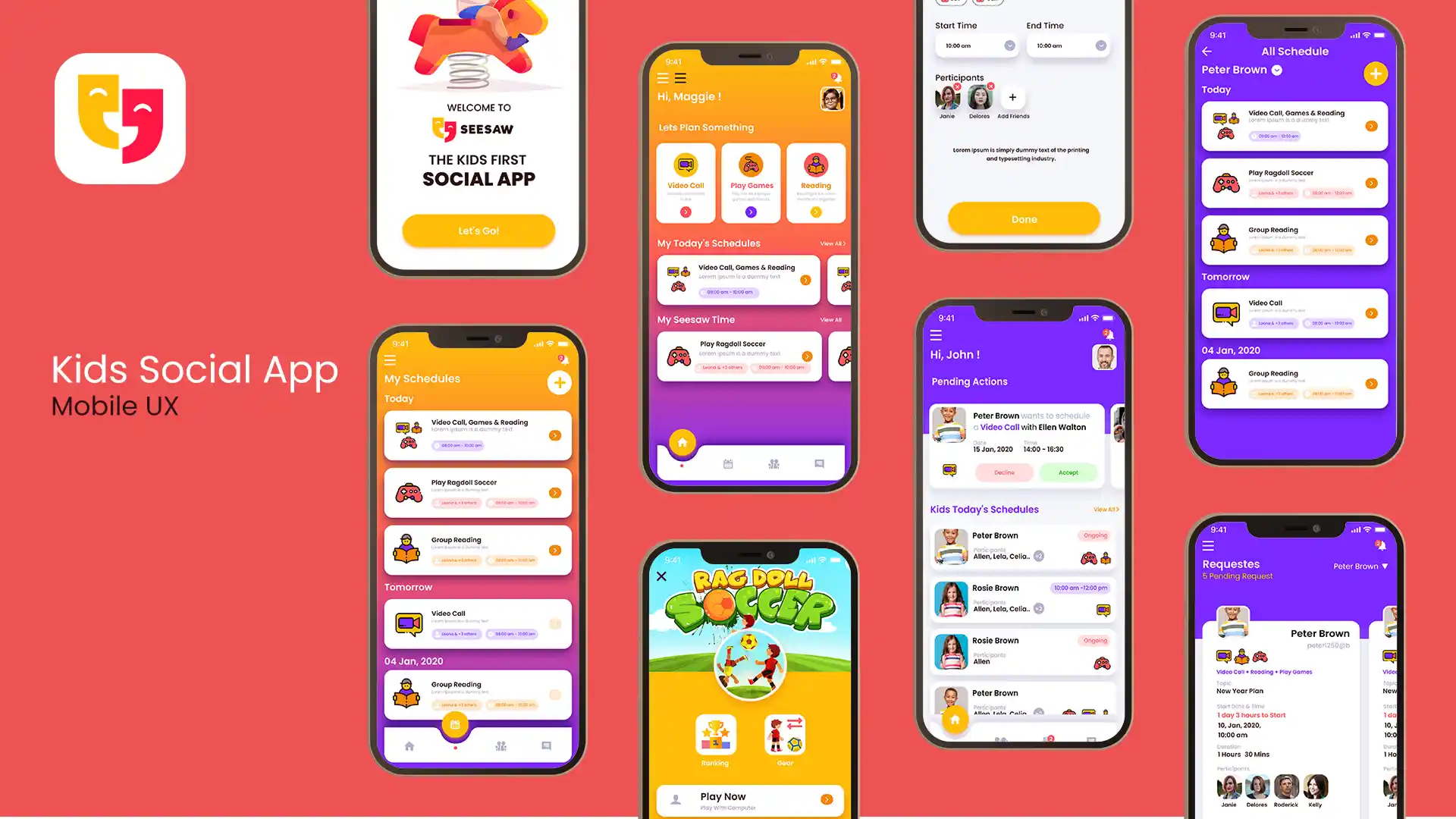
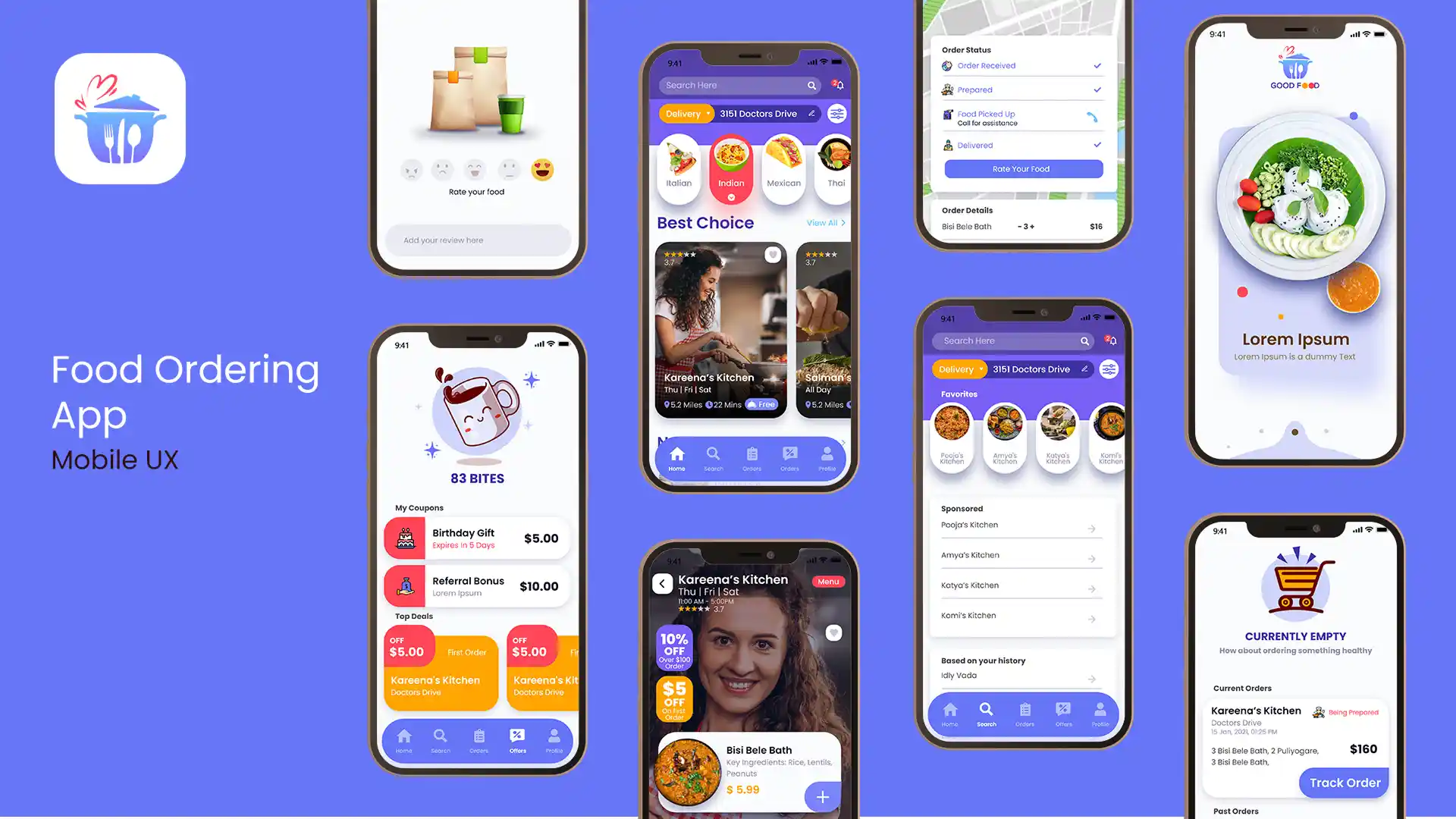
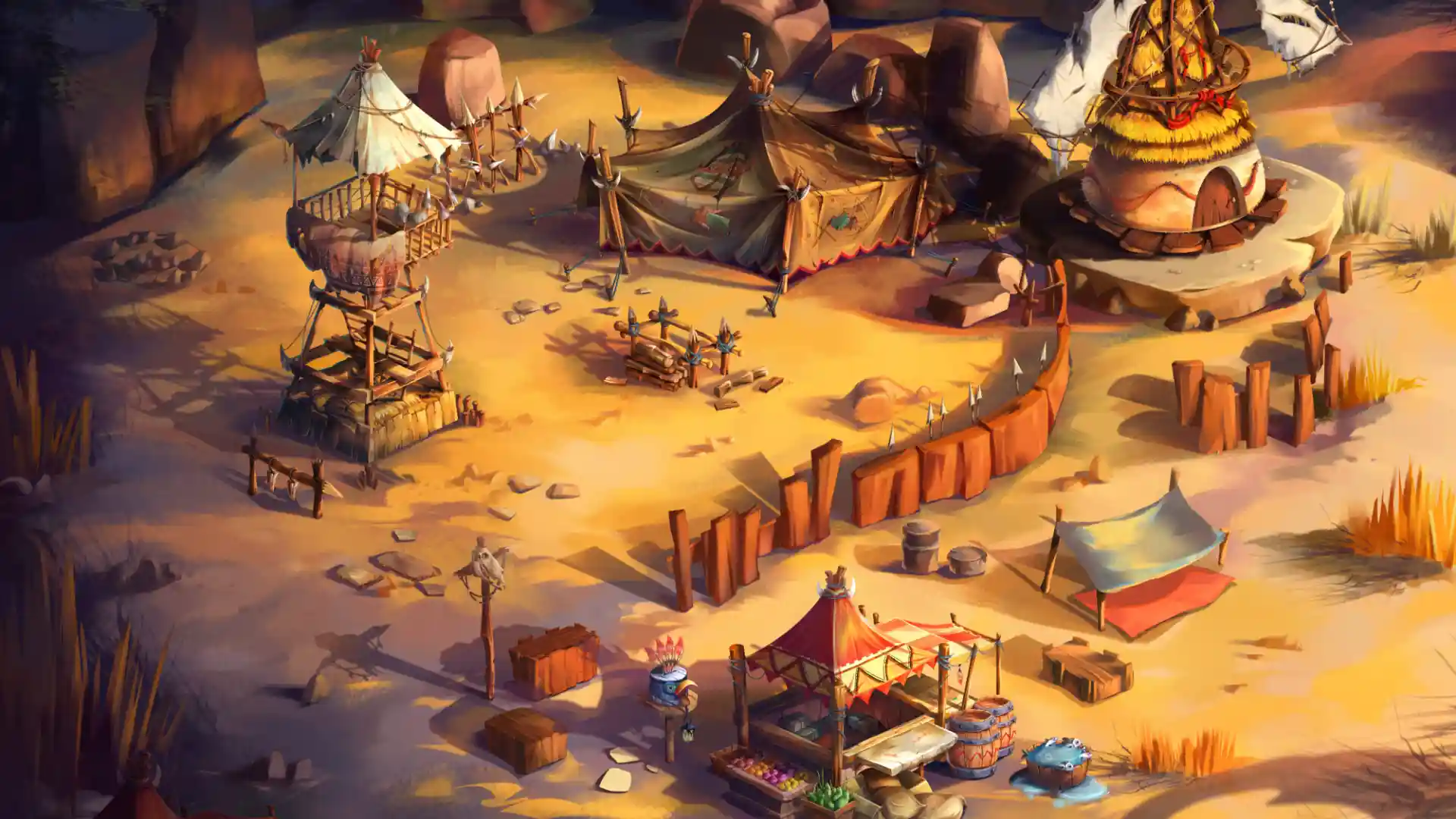
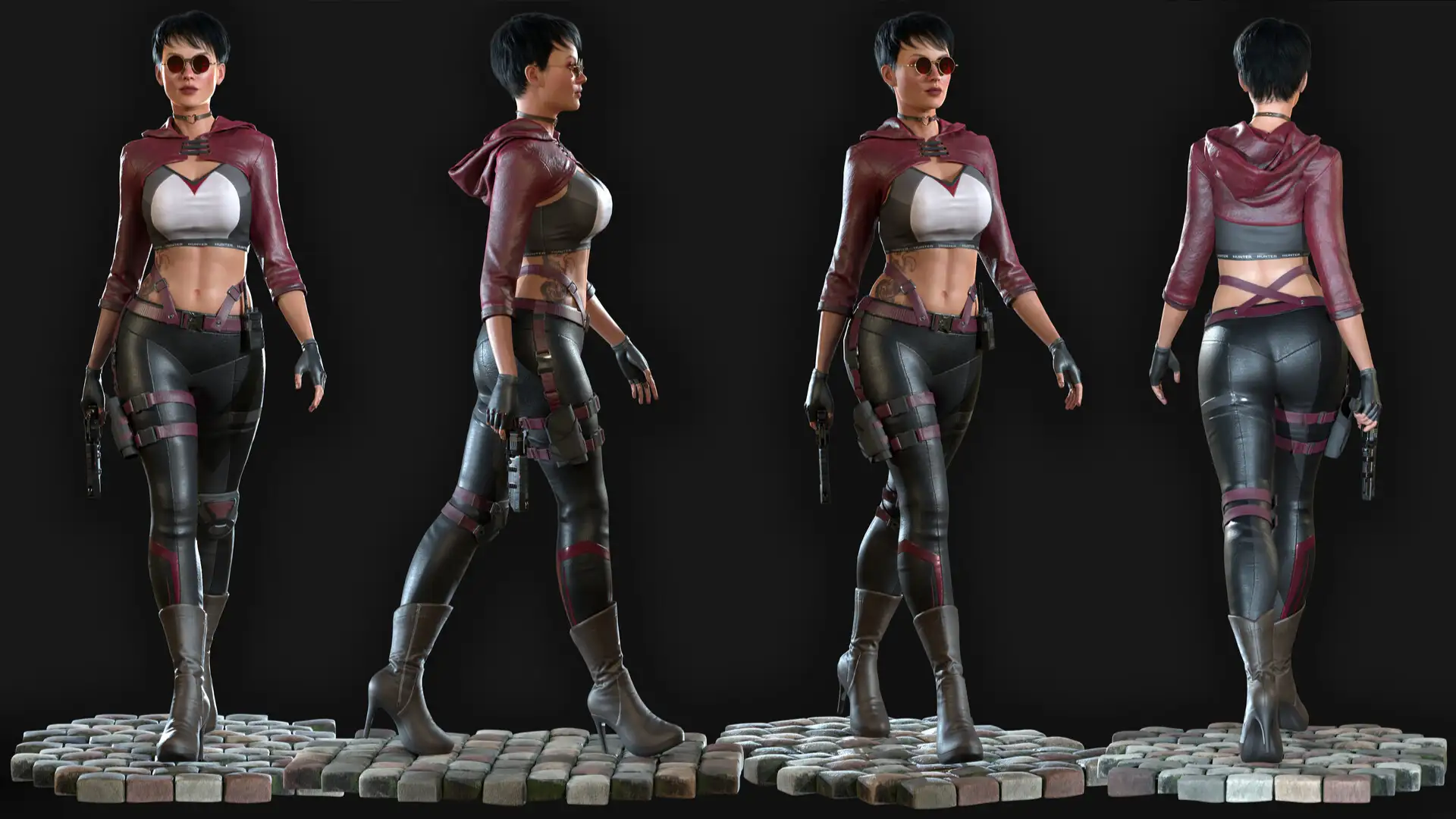
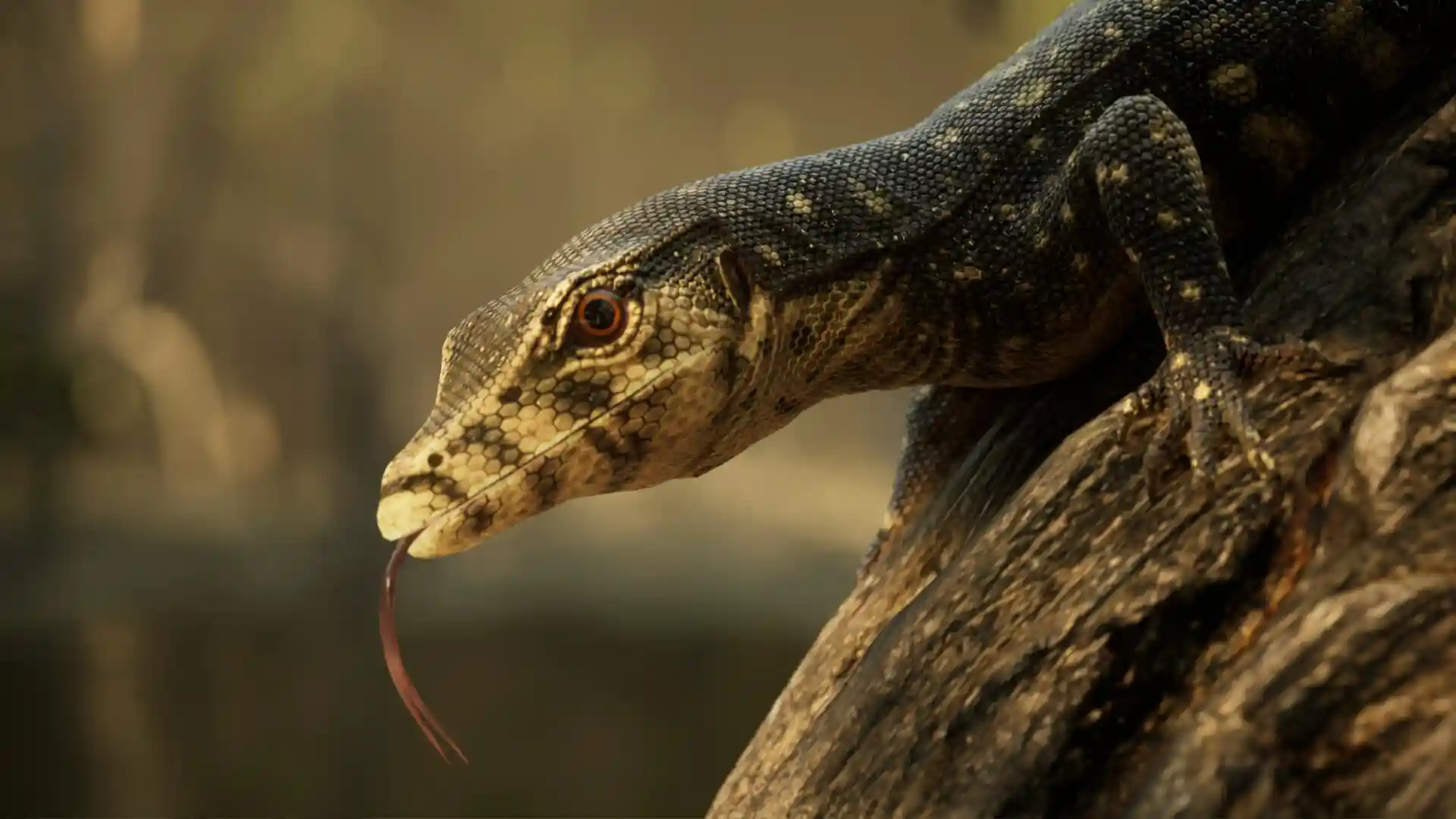
Browse 2D and 3D art, high-fidelity assets, environments, animation, and interface systems created for games, iGaming, software, and digital products. Each project began with a different brief, style, platform, and production challenge. Together, the work shows how an idea moved from early direction into assets ready for review, integration, and reuse.
Why Choose Red Apple
Art and Design Built for
Real Production
Creative decisions affect gameplay, usability, performance, and delivery. Our team considers how the work will be reviewed, integrated, maintained, and expanded.
Cross-Disciplinary Team
Artists, designers, animators, and technical specialists share one review track, reducing handoff gaps.
Consistency At Scale
Shared guides, naming rules, and review points protect the visual direction as production volume grows.
Production Ready Delivery
Files follow the agreed engine, platform, format, topology, optimization targets, and handoff workflow.
Flexible Creative Capacity
Add one specialist, extend an active team, or assemble a broader creative unit around the project scope.
Standalone or Integrated Support
Art and design can stand alone or connect with our game development, iGaming, and custom software teams. This keeps visual decisions aligned with functionality, technical needs, and the wider product roadmap.
CLIENT EXPERIENCE
Client Feedback on Our Art and Design Work


CEO, Ralba Technologies LLC

CEO

Founder, Mix Pics

Founder, Esehati

Founder, Score Is Right
CEO, TimeWise

Managing Director
ENGAGEMENT MODELS
Choose How Our Team
Supports Production
Choose full ownership, embedded support, or a dedicated team based on your scope, internal capacity, and roadmaps.
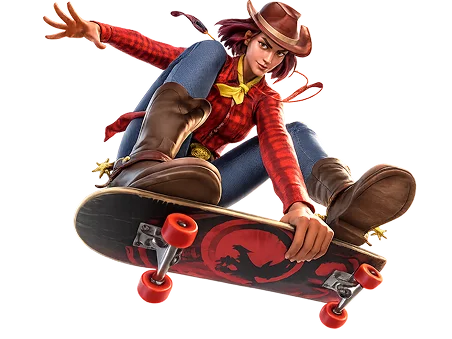
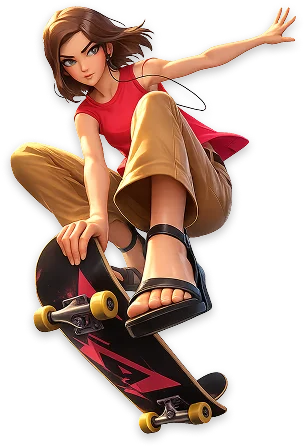

Full-Cycle Art Production
One team owns your full scope from visual direction through production and delivery.
Milestone-led plans and approvals
2D, 3D, animation, UI/UX, or mixed
One direction across each workstream
Files prepared for final handoff
Co-Development
Artists and designers join your tools, reviews, and schedule to support active work.
Fits your tools and review process
Shared planning and review ownership
Built for releases and content updates
Scales by sprint or milestone
Dedicated Art Team
A stable team of selected specialists supports ongoing production and content needs.
Predictable monthly production capacity
Character, environment, UI, or mixed pods
Built for longer creative roadmaps
Direct access for internal leads
Frequently Asked Questions
Yes. Red Apple Technologies can take on art outsourcing services as a standalone engagement, without responsibility for development. Clients can bring in the team for concept art, asset production, animation, or interface design, or connect the same game art outsourcing capability with our game development, iGaming, and custom software teams when a project needs broader delivery.
Yes. Our game art outsourcing and co-development support can cover a defined asset group, full-cycle art production, or a dedicated art team working inside an established studio pipeline. Engagements are structured around your art direction, tools, naming standards, review process, and release schedule, so an external art outsourcing company can add capacity without disrupting your existing workflow.
The cost of art outsourcing services depends on asset type, visual style, fidelity, volume, platform, technical complexity, animation requirements, review process, timeline, and engagement model. A focused set of 2D assets needs a different team and workflow than a high-fidelity character, modular environment, animated sequence, or full interface system; a scoped creative brief is the most reliable basis for an estimate.
Timelines depend on:
- Deliverable type
- Asset volume
- Visual style
- Fidelity
- Platform requirements
and number of review stages.
A focused asset set may take a few weeks, while a larger game art production pipeline can run across multiple milestones or releases. Separating concept approval, production, review, optimization, and final delivery keeps dependencies visible.
Yes. Assets can be prepared for the agreed game engine and platform, covering:
- Topology
- Texture sizes
- File formats
- Naming conventions
- LOD requirements
- Optimization targets
- Import workflow
Depending on scope, delivery can include layered 2D files, 3D source files, textures, rigs, animation files, and implementation notes.
Technical art services connect creative direction with the requirements of the engine, platform, and development pipeline. Work can include asset preparation, materials and shaders, LODs, export settings, optimization, naming standards, integration checks, and performance review, helping approved visuals move into the build without avoidable compatibility issues.
Review stages, approvers, feedback channels, and revision expectations are agreed before production begins. Consolidated feedback is applied at defined checkpoints, resolving visual and technical issues before they affect a wider set of assets, especially useful when internal art leads, developers, producers, and external teams are reviewing the same work.
Yes. A co-development or dedicated art team can support seasonal assets, new characters, environments, promotional artwork, animation, and interface updates as part of LiveOps content production. The team works within your existing visual direction, release calendar, tools, and approval process to maintain continuity across updates.
Yes. An NDA for game development projects can be arranged before confidential concepts, builds, art bibles, source files, roadmaps, or unreleased assets are shared. The agreement defines permitted access, use of project materials, and confidentiality responsibilities during and after the engagement.
Outsourcing game art can cover a defined asset group, full-cycle art production, co-development, or a dedicated team working alongside an existing studio.
The engagement is structured around your art direction, production tools, technical requirements, review process, and delivery schedule. This allows you to add 2D, 3D, environment, animation, UI/UX, or other art capacity without disrupting the workflow your internal team already follows.
Ownership, usage rights, source-file delivery, third-party licenses, portfolio permissions, and IP transfer conditions are defined in the project agreement, giving both parties a clear understanding of how completed work, working files, and licensed materials can be used.
Ready to Start the
Art Project?
Let's Connect
We're here to discuss your ideas and requirements


 Book An Appointment
 WhatsApp